
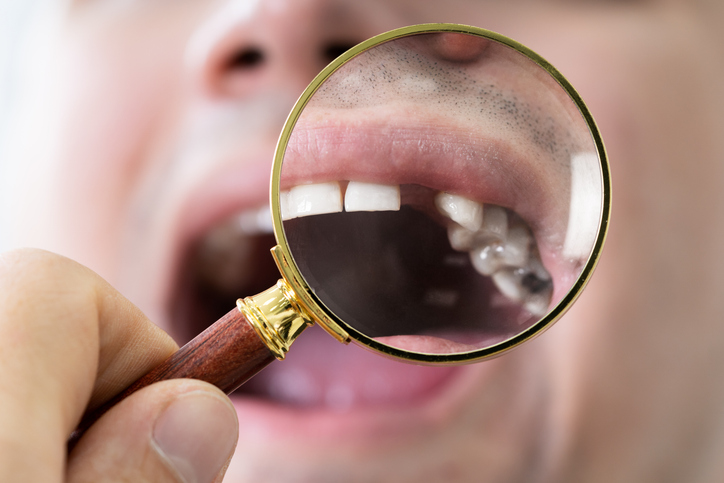
You’re missing a tooth. Maybe it’s a back molar that nobody sees, or it’s a front tooth that bothers you every time you look in the mirror. Either way, you want to replace it.
You’ve probably heard about dental implants as the gold standard, but not all implants are the same. Standard implants and mini implants are available in Chapel Hill. Both are made from titanium, fuse with your jawbone, and can replace missing teeth.
So what’s the difference? More importantly, which one is right for you?
At Chapel Hill Family & Cosmetic Dentistry, Dr. James Furgurson and Dr. Nathan White have placed hundreds of implants for patients throughout the Triangle. They’ve seen firsthand what works and what doesn’t. Here’s what you need to know.
The Size Difference Is Real
Let’s start with the obvious. Mini implants are smaller. A standard implant is typically 3.25 to 5 millimeters in diameter. A mini implant is less than 3 millimeters wide. That’s roughly the difference between the eraser on a pencil and the tip of a crayon. That size difference has real consequences.
The design is different too. Standard implants are usually two pieces: the implant post and a separate abutment that holds the crown. Mini implants are a single, one-piece screw with a ball-shaped end that protrudes from the jawbone.
This simpler design is part of what makes mini implants appealing. It also limits what they can do.
What Mini Implants Are Actually For
Mini implants are for patients who aren’t candidates for standard implants.
- Limited Bone Density: Standard implants need a certain amount of bone to be placed securely. If you’ve experienced bone loss, you might not have enough. Mini implants are narrower, so you can often place them without a bone graft.
- Less Invasive Procedure: Placing mini implants is less traumatic than standard implant surgery. In many cases, you can place them in a single visit with no stitches. Recovery is faster.
- Denture Stabilization: Mini implants really shine here. If your lower denture slips and clicks, four to six mini implants can anchor it securely. You leave the same day with a denture that stays put.
The Molar Trap: Why Mini Implants Fail on Back Teeth
Here’s something that doesn’t get talked about enough. Mini implants are not a good choice for replacing molars.
Molars absorb the highest bite force in your mouth. Up to about 200 pounds of pressure.
A thin mini implant can fatigue and fracture under that kind of repeated load. And because most mini implants are one-piece, you usually can’t repair a broken implant. It has to be removed entirely.
This is what Dr. Furgurson calls the molar trap. A patient gets a mini implant to save money. A few years later, it breaks. Now they need a standard implant anyway, plus the cost of removing the failed mini.
If you’re replacing a single back tooth, a standard implant is the durable choice. Even if it means a bone graft first.
When Standard Implants Are the Right Choice
Standard implants are the more versatile solution. They can handle:
- Single tooth replacement, including molars
- Multiple teeth replacement with implant-supported bridges
- Full-arch restorations like All-on-4
- Cases where long-term durability matters most
A standard implant’s two-piece design means you can replace components if needed. The implant post can last a lifetime. You can swap out the crown after years of wear.
Dr. Furgurson holds Fellowships in the International Congress of Oral Implantologists (ICOI) and the Academy of General Dentistry (FAGD). He uses CBCT imaging to plan every implant precisely. That means he can see your bone density in three dimensions and determine whether a standard implant is possible, even if you’ve been told you need a bone graft.
The Honest Comparison
Here’s how the two options stack up side by side:
| Factor | Mini Implant | Standard Implant |
|---|---|---|
| Diameter | Under 3mm | 3.25 to 5mm |
| Design | One-piece | Two-piece |
| Surgery | Often flapless, no stitches | Flap, sutures, healing period |
| Lifespan | 5 to 10 years | Can last a lifetime |
| Best use | Denture stabilization | Single teeth, including molars |
| Repairability | Limited | Components can be replaced |
Learn more about our dental implants here:
- Dental Implants in Chapel Hill
- Benefits of Dental Implants
- Cost of Dental Implants
- Dental Implant FAQs
- Dental Implant Process
- Dental Implants vs Dentures
- What are Dental Implants
What Dr. White Wants You to Know
Dr. White is an adjunct associate professor at the UNC School of Dentistry. He completed his dental degree and residency at UNC-Chapel Hill.
He sees patients who come in after being told they need mini implants because they “don’t have enough bone.” Sometimes that’s true. Sometimes it’s not.
“If a dentist pushes minis for a single molar because you don’t have enough bone, get a second opinion,” Dr. White says. “Bone grafting plus a standard implant is often the better long-term investment.”
That’s not a knock on mini implants. They have their place. But that place is usually stabilizing a denture, not replacing a back tooth.
Why an Honest Assessment Matters
At Chapel Hill Family & Cosmetic Dentistry, we don’t push one option over another. We evaluate your specific situation and recommend what will work best for you.
That means:
- CBCT imaging to see your bone structure in 3D
- A thorough exam to assess gum health and bite forces
- An honest conversation about trade-offs
We’re an out-of-network provider. We don’t answer to insurance companies. We answer to you.
Schedule Your Implant Consultation
If you’re missing a tooth, don’t guess about which implant is right. Get a professional evaluation.
Call Chapel Hill Family & Cosmetic Dentistry at (919) 736-6175 or request an appointment online. Dr. Furgurson, Dr. White, and our team will help you understand your options and make the best choice for your smile.