Snoring and sleep apnea are two of the most common sleep disorders. The position of the jaw and related structures influence the development of sleep apnea. Not many people would even consider
seeking a dentist for treatment. However, a dentist is a key professional in diagnosing and treating selective cases. Chapel Hill Family and Cosmetic Dentistry dentists have experience treating sleep apnea in Chapel Hill, NC, using oral appliances.
Snoring by itself is generally not a health problem. However, it can indicate obstructive sleep apnea (OSA). Patients who suffer from OSA repeatedly stop breathing while they sleep. The prevalence of sleep apnea increases with age. As many as 50% of older men and women suffer from the disorder.
OSA occurs when a person stops breathing due to an obstruction in the upper airway. This is caused when the muscles in the back of the throat completely relax, and air cannot pass through.
Once this happens, signals that breathing has stopped are sent to the brain. The person will make up momentarily to open the airway back up. Breathing stops for about ten seconds or longer during a single episode, but a person can have many episodes during sleep.
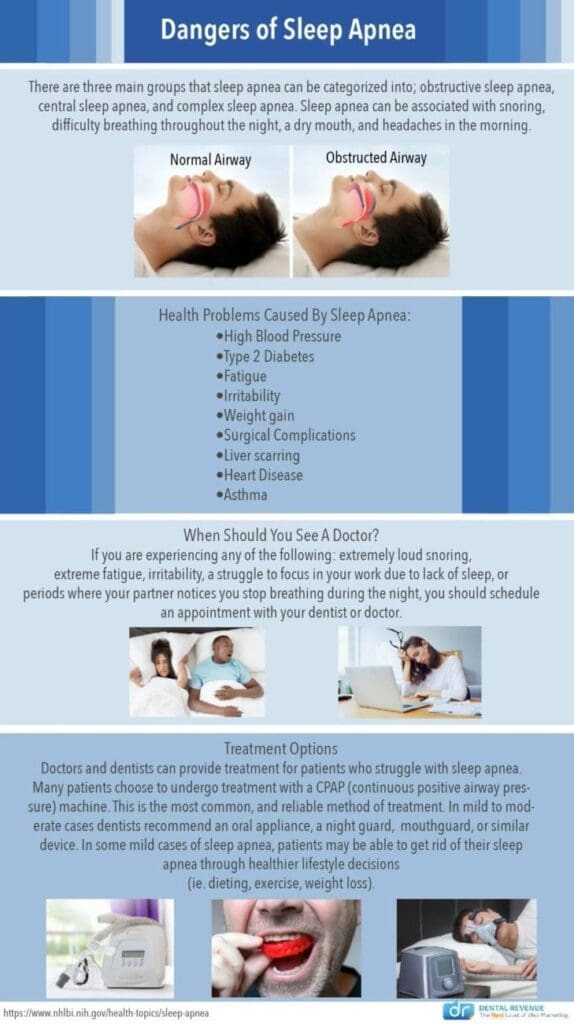
Signs and Symptoms of Obstructive Sleep Apnea
When you visit Dr. Furgurson or Dr. White, they will review your medical history. They will also discuss some signs that could indicate a sleep-breathing disorder. Common signs of sleep apnea include:
- Daytime sleepiness
- Loud snoring
- Gasping while sleeping
- Dry mouth
- Morning headaches
- Problems with concentration, mood, and mental clarity
Sleep apnea not only impacts your sleep. If you have sleep apnea, you can experience problems during the day. Some patients with sleep apnea tend to fall asleep while reading, watching television, or driving.
A lack of quality sleep can be dangerous. If you or your partner notice insomnia, snoring, and breathing problems during sleep, contact a doctor for a sleep study.
Sleep Apnea and Heart Problems
One of the main links between sleep apnea and heart problems is how the body reacts to pauses in breathing. When you stop breathing, your oxygen levels drop, which puts stress on your heart. The heart has to work harder to pump oxygenated blood through the body, which can lead to high blood pressure.
Over time, untreated sleep apnea can raise your risk for several heart problems, including heart disease, heart attacks, and irregular heartbeats like atrial fibrillation. This happens because the constant strain on the heart weakens it and damages blood vessels.
Diagnosing a Sleep-Related Breathing Disorder
Diagnosing a sleep-related breathing disorder such as OSA typically involves the dentist, the patient’s physician, and/or other specialists. We may use diagnostic imaging, such as X-rays, to examine the airway and look for signs of blockage. Our dental office will also recommend a sleep study to evaluate your sleep quality.
Doctors provide at-home and in-office sleep studies. These studies analyze the number of apneas you experience at night. They can also measure your heart rate, oxygen levels, and leg and arm movements. Once you are diagnosed with sleep apnea, our dentist office can help treat mild to moderate sleep apnea.
Treatment for Obstructive Sleep Apnea in Chapel Hill, NC
If you have sleep apnea, you can visit us for a dental consultation. First, our dentist will ask questions about your symptoms, like loud snoring, pauses in breathing during sleep and feeling tired during the day. We will also review any sleep studies or tests you’ve done to understand your diagnosis better.
Next, our dentist will examine your mouth, teeth, and jaw. They will check for issues with your bite, airway, or oral tissues that could be affecting your sleep.
Common sleep apnea treatments include:
Lifestyle Changes
Treatment for OSA will vary based on individual diagnosis. Certain lifestyle changes can help reduce the symptoms of OSA. Sometimes, weight loss, smoking cessation, and eliminating alcohol and sedative use can help.
Extra weight, especially around the neck, can put pressure on the airway. This makes breathing more difficult during sleep. Losing weight can help open the airway and make breathing easier.
Another helpful change is to quit smoking. Smoking can irritate and inflame the airway, which can worsen sleep apnea symptoms. By stopping smoking, you can reduce this irritation and improve your breathing.
Avoiding alcohol and sedatives is also essential. These substances can greatly relax the muscles in the throat, which can block the airway and worsen sleep apnea. Cutting back or eliminating alcohol and sedatives can help keep your airway clear and reduce symptoms.
Oral Appliances
The CPAP is the gold standard treatment for sleep apnea. However, CPAPs often have a poor compliance level because people often find them to be uncomfortable and intrusive while sleeping. A CPAP covers the face with a mask and delivers air through the nose and/or mouth.
An oral appliance is the preferred treatment among most patients. An oral appliance is small, discreet, and comfortable to wear. Dr. Furgurson can fabricate a custom-made sleep apnea appliance for sleep apnea in Durham, NC. This appliance is similar to a sports mouthguard. However, this appliance can help ensure you can sleep comfortably.
An oral appliance keeps the airway open to allow for proper airflow. It can also reposition the jaw and tongue forward so that the soft tissues do not obstruct the airway. If worn properly and regularly, an oral appliance can help you experience a full night’s sleep and feel well-rested.